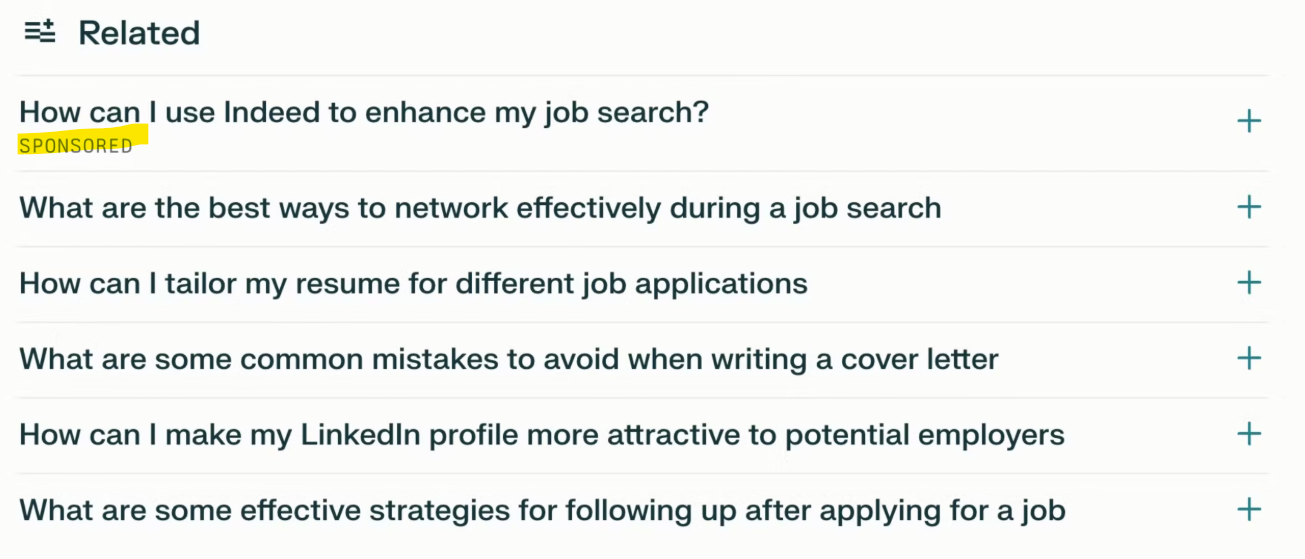
As AI platforms like Perplexity and ChatGPT continue to reshape how users interact with information, the inclusion of advertising introduces a significant evolution. Historically, AI tools have focused on accessibility and utility, but sustainability demands monetization strategies that balance profitability with user experience. Perplexity’s recent announcement highlights a pivotal approach to integrating ads into AI products while prioritizing trust and relevance.
We believe this is a major announcement, and it is just the tip of the iceberg.
Broader Implications for the AI Industry
- Ethical Considerations
Transparency about data usage and ad placement will be vital. Platforms must avoid the perception that advertisers can manipulate AI responses, as this would erode public confidence. - Redefining Trust in Advertising
The key challenge for AI platforms is maintaining neutrality. Users expect unbiased responses, so clearly labeled, non-intrusive ads are essential. Advertisers must align with this ethos, offering content that enriches rather than detracts from the interaction. - Opportunities for Personalization
Advanced AI allows for hyper-targeted advertising, delivering contextually relevant ads based on the user’s queries. However, personalization must respect privacy, avoiding overreach that could alienate users. - Expanding Revenue Streams
Advertising opens the door for partnerships across industries—from retail and travel to education and healthcare. For AI companies, this diversification is crucial for scaling operations and innovating further.
Potential Benefits
- Sustainability and Growth: Ads provide a steady revenue stream, allowing companies to maintain free or freemium models and invest in R&D.
- Targeted Engagement: Advanced AI tools can personalize ads, potentially enhancing user satisfaction by offering relevant and non-intrusive content.
- Market Expansion: Revenue from ads could enable platforms to scale their offerings, supporting additional languages, integrations, or vertical-specific solutions.
Challenges and Risks
- Trust and Neutrality: The inclusion of ads could raise concerns about bias, especially if users perceive the AI’s answers as influenced by advertisers.
- User Experience: Poorly implemented ads risk detracting from the seamless and intuitive interactions users expect from AI platforms.
- Ethical Considerations: Transparency will be crucial to avoid deceptive practices or the misuse of user data for ad targeting.
Implementation Strategies: A Closer Look
Platforms like OpenAI’s ChatGPT and Perplexity can implement advertising in ways that enhance their tools:
Educational and Informational Ads
Ads promoting educational content, webinars, or professional certifications could serve dual purposes: informing users and generating revenue.
Sponsored Prompts and Questions
Like Perplexity’s approach, integrating sponsored follow-up questions tailored to user queries can deliver relevant content while maintaining objectivity. For example:
A user researching coding might see a sponsored prompt for online courses from a trusted provider.
Ads for job opportunities could appear during career advice queries.
Non-Intrusive Ad Placement
Incorporating side-panel or banner ads within a search interface allows ads to remain visible yet unobtrusive. These ads could adapt dynamically to query themes, e.g., promoting travel gear during itinerary planning.
Freemium Models
Offering users the choice to pay for an ad-free experience strikes a balance between accessibility and monetization. Premium features like priority AI responses or advanced tools could incentivize subscriptions.
Value-Driven Partnerships
Collaborating with brands that align with user interests—like Perplexity’s partnerships with Whole Foods or Indeed—adds value while preserving the platform’s integrity. For example, ChatGPT Search might feature trusted book retailers for users seeking literary recommendations.
We celebrate this direction as logical and expected. Advertising is the life blood of almost every major organization, sport or holiday these days. Placing ads into our AI experiences will be no different than how Google has handled their business over the last 20 years or so. Up until now there has been a monopoly working against free enterprise & SMB’s, and that monopoly was Google Search.